When Burger King Brazil cast one of the country’s most notorious porn stars to sell Whoppers, they expected viral laughs—what they got was a national reckoning over who really controls the meaning of a message. As English author David John Lodge once put it, “Every decoding is another encoding.” These contexts are crucial to understanding how audiences interpret and transform media messages beyond their intended meaning. Encoding and Decoding, a model introduced by British-Jamaican cultural theorist Stuart Hall, is a powerful analysis tool for understanding these relationships. The model explores media production, dissemination, and interpretation and their relationship with media producers and consumers. It is based on the idea that media producers encode messages, and audiences decode them based on their unique social contexts (Hall). This model works as a way to acknowledge audience agency in creating meaning of a piece of media highlighting the reciprocal relationship between audiences and producers in the interpretation and understanding of media.
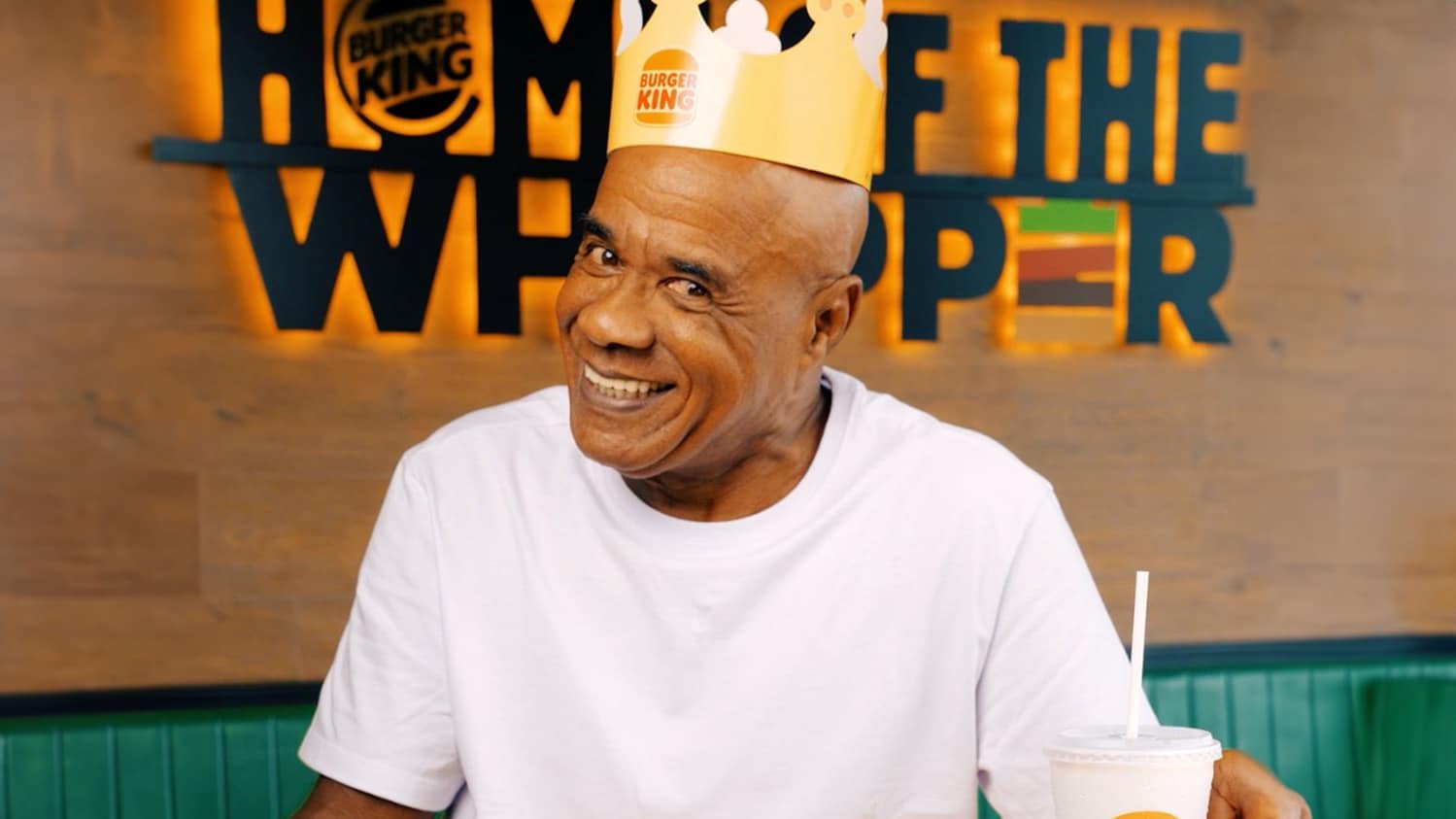
In this essay, we will be exploring the Burger King and Kid Bengala controversy in Brazil, where Burger King hired a famous porn star Kid Bengala for their advertisement campaign called Exagero, “exaggeration” in English (TN World Desk). The campaign aimed to sell two Whopper burgers for R$25, emphasizing the size and affordability of the meal. The advert features Kid Bengala making numerous sexual jokes and innuendos, which were widely criticized (Zanirato). This case study is a clear example of how Hall’s encoding/decoding model highlights the power dynamics in media interpretation. While the producers intended a message of humor, the audience’s oppositional decoding, propelled by social media, criticized the advert for propagating indulgence and sexualization of unhealthy foods which is especially harmful to the main consumer base of Burger King, teenagers and kids. This is an interesting case study that shines a light on the role of audience agency in shaping media narratives in the digital age.
Encoding the Message
After taking down the advert to stop the controversy around the Exagero Campaign Burger King released a statement where it clarified its intentions with the advert: “To communicate the promotion of 2 Whoppers for R$25, we created the ‘Exagero’ campaign, which in a fun way, brings puns that have the sole objective of entertaining our audience, mostly young people aged 18 and over. In order not to increase discussions and polarization on the networks, we chose to remove the material from the air” (Stayce).
Applying the encoding framework, we can see that the advert targeted an adult audience, most notably “young people aged 18 and over.” The objective was to entertain consumers with a fun advert filled with puns and jokes; by hiring Kid Bengala, a celebrity well-known in Brazilian pop culture, Burger King aimed to encode a playful message that resonated with their young adult target audience. Using sexual innuendos and double entendres, the advert aimed to portray the company as edgy, bold, and fun. At the core of the “Exagero” (exaggeration) campaign—two Whoppers for R$25—is the idea of indulgence, where Burger King uses humor to normalize overconsumption to show the deal’s value. By choosing a porn star as their spokesperson paired with risque provocative humor, Burger King intended to create a memorable advertising campaign.
This encoding strategy—developed by Data Driven Marketing Agency Jotacom—reflects a calculated risk by the Burger King advertising team, where they assumed that their target audience would appreciate and engage with the bold, controversial humor (Notícias). However, as we will see, the encoding process failed to anticipate the backlash from the potential decodings, showing the power of oppositional readings in our current interconnected media landscape.
Oppositional Decoding and Public Backlash
The way the Brazilian audience decoded the “Exagero” campaign shows the complex and erratic nature of media interpretation. While Burger King aimed to send a humorous and edgy message, a good number of viewers decoded the advertisement as inappropriate and improper. This oppositional decoding concentrated on problems with exposing children to improper sexual material and the sexualization of food. Renowned Brazilian newspaper Folha do Estado reported that many viewers felt that the advertisement was inappropriate as a large part of Burger King’s consumer base is kids (Pleno News). From these critiques we can see that the decoding of the advert brought about a larger debate of the role of companies in forming social norms and acceptable advertising tactics.
Social media channels, where users swiftly shared and questioned the campaign, magnified the force of this oppositional decoding. The speed and scope at which this oppositional decoding proliferated online shows digital platforms’ significant role in contemporary meaning-making processes. The Aliados Brasil Noticias newspaper reported that famous singer Marcela Tais was vocal on social media, arguing that “burgers are not healthy… and just because sex appeal is trendy, it does not mean it should be used with everything” (translated from Portuguese) (Caíque). Many social media channels reflected this attitude, creating a negative publicity snowball effect. It emphasizes how, through social media, personal interpretations can gather into a strong collective voice and rapidly challenge the intended meaning of media imposed by media creators.
The Aftermath and Expert Response
Removing the advert from circulation was widely regarded as a positive move by various experts. Burger King explained that the decision to remove the ad was one to avoid increasing discussions and polarization on social networks (Sacchitiello). In an article for the online newspaper Meio&Mensagem—which specializes in communication, marketing, and social media—author Bárbara Sacchitiello reports on the public’s response to the removal. She states, “The majority of professionals interviewed by the report considered Burger King’s decision to quickly take the campaign off the air after the criticism was correct.” This sentiment is shared by Gustavo Alonge—Digital marketing specialist and CEO of Engajatech—who argued in an opinion piece for the Capital News online newspaper that removing the advert was the correct course of action to preserve the brand image and that this type of marketing trial and error is crucial as it leads to innovation in the industry (Alonge). Removing the advert and issuing a statement Burger King aims to reinterpret the story in their terms. By saying they aimed to entertain their young adult audience and hence avoid more “discussions and polarization” it shows how difficult it is for the firm to keep control over their message in the face of general oppositional decoding.
While many applauded Burger King’s decision to remove the advertisement, Sacchitiello reported that Professor Marcos Bedendo at the University ESPM—Superior School of Propaganda and Marketing—argued that it was the incorrect course of action. He claimed that removing the advert from circulation signals that it followed a different path from the brand’s objectives; however, in this case, Burger King followed a style of humor consistent with what they have displayed before (Sacchitiello). The variety of public responses demonstrates the numerous decodings of the Kid Bengala and Burger King controversy, highlighting the influence of social contexts on media interpretation.
Meaning-Making in the Digital Age
Finally, Stuart Hall’s encoding/decoding paradigm in action is powerfully shown by the Burger King “Exagero” advertising dispute, which also emphasizes the changing dynamics of meaning-making in the digital age. This case study challenges conventional ideas of corporate control over brand narratives by showing that the balance of power in defining media meanings has moved greatly towards the audience.
Burger King’s encoded message of funny exaggeration contrasts sharply with the broad oppositional decoding that saw the campaign as rude and improper, therefore highlighting the erratic character of modern media consumption. This difference emphasizes the need of considering several cultural points of view and society changes while developing marketing messaging, particularly for worldwide companies. Furthermore, the fast dissemination of the opposing interpretation on social media channels highlights the increased audience voice in the media scene of today. The quick withdrawal of the advertising in reaction to public pressure highlights even more the growing agency of consumers in determining business decisions and brand narratives.
This case study not only confirms the continuing relevance of Hall’s encoding/decoding approach but also extends its applicability to the digital era, where the speed and reach of audience interpretations have been considerably improved. It implies that effective media production nowadays calls not just for innovative encoding but also a sophisticated knowledge of possible decodings among several audience segments. The Burger King “Exagero” marketing debate ultimately reminds us that in the modern media environment, meaning is not only conveyed but also negotiated, challenged, and co-created in a continuing conversation between producers and viewers.
Works Cited
- Alonge, Gustavo. “Ousadia e crítica nas redes: uma análise sobre o vídeo do Burger King com Kid Bengala.” Capital News, 24 Feb. 2024, www.capitalnews.com.br/opiniao/ousadia-e-critica-nas-redes-uma-analise-sobre-o-video-do-burger-king-com-kid-bengala/399175. Accessed 20 Sept. 2024.
- Caíque, Wesley. “Após críticas, Burger King tira do ar propaganda com Kid Bengala.” Após Críticas, Burger King Tira Do Ar Propaganda Com Kid Bengala - Aliados Brasil, 16 Feb. 2024, www.aliadosbrasiloficial.com.br/noticia/apos-criticas-burger-king-tira-do-ar-propaganda-com-kid-bengala.
- Hall, Stuart. “Encoding, Decoding.” Media Studies: A Reader, Edited by Paul Marris and Sue Thornham, 2000, pp. 128–38. Edinburgh University Press.
- Notícias, Ne. “Comercial do Burger King com ex-ator pornô gera polêmica e é retirado do ar.” NE Notícias, 16 Feb. 2024, www.nenoticias.com.br/burger-king-tira-comercial-do-ar.
- Pleno News. “Folha do Estado | Burger King é criticado por contratar o ator pornô Kid Bengala para campanha publicitária.” Folha Do Estado, 15 Feb. 2024, www.folhadoestado.com.br/brasil/burger-king-e-criticado-por-contratar-o-ator-porno-kid-bengala-para-campanha-publicitaria/598352.
- Sacchitiello, Bárbara. “Críticas e recuo: o que deu errado no vídeo de Burger King com Kid Bengala?” Meio&Mensagem, 16 Feb. 2024, www.meioemensagem.com.br/comunicacao/burger-king-kid-bengala-o-que-deu-errado. Accessed 20 Sept. 2024.
- Stayce, Mayrla. “Após repercussão negativa, Burger King tira do ar campanha com Kid Bengala.” O Buzz, 16 Feb. 2024, obuzz.com.br/apos-repercussao-negativa-burger-king-tira-do-ar-campanha-com-kid-bengala.
- TN World Desk. “Burger King Withdraws Ad With Brazilian Adult Star Kid Bengala Discussing ‘Size’ Of Whopper Sandwiches.” Times Now, 16 Feb. 2024, www.timesnownews.com/world/burger-king-withdraws-ad-with-brazilian-adult-star-kid-bengala-discussing-size-of-whopper-sandwiches-article-107735837.
- Zanirato, Daniel. “Burger King tira do ar propaganda com Kid Bengala após críticas nas redes.” Gazeta De São Paulo, 16 Feb. 2024, www.gazetasp.com.br/entretenimento/burger-king-tira-do-ar-propaganda-com-kid-bengala-apos-criticas-nas/1134560.