“Insomnia is just the symptom of something larger. Find out what’s actually wrong. Listen to your body.” — The Narrator, Fight Club (Palahniuk 14)
Approximately one in three adults worldwide experience insomnia, as Figure 1 shows below. That is, if you are reading this in a public space, it is likely every third person you encounter has a tough time sleeping. “Insomnia” is a sleep disorder characterized by difficulty falling, staying, and getting good quality restorative sleep (Kaur et al.). Many view insomnia as a simple issue due to a lack of exercise or excessive screen time. However, it is a complex and multifaceted problem that significantly impacts an individual’s physical and mental health. As our understanding of this pervasive disorder grows, it becomes increasingly important to recognize its underlying causes to improve the quality of life for those affected.
In Chuck Palahniuk’s novel Fight Club (1996), insomnia is a recurring theme. We, as readers, are immersed in the protagonist’s journey as the narrator grapples with chronic insomnia, enduring sleepless nights that gradually erode his grasp on reality. The sleep deprivation he experiences leads to a steady decline in his mental well-being and sets him on a path to seek treatment. Throughout the narrative, the narrator’s relentless quest for respite from insomnia drives him to continually alter his environment, seeking solace and escape from the confines of societal norms. Initially, he turns to unconventional methods like attending support groups to cope with his disorder. However, the tranquility he finds in these settings is short-lived, disrupted by Marla Singer, whose presence stirs up the unresolved issues fueling his insomnia. Consequently, the narrator’s mental state further deteriorates, contributing to the emergence of his alter ego, Tyler Durden—a character who embodies his suppressed desires and darkest emotions.
In the company of Tyler, the narrator once again alters his environment, venturing even further into an estranged existence, choosing to reside in a dilapidated house in a secluded industrial area of the city. To cope with his insomnia, the narrator establishes an underground fight club. Within the brutal and visceral fights, the club becomes a space where men can unleash pent-up aggression and feel a sense of belonging. Paradoxically, the narrator’s involvement in the fight club exacerbates his sleepless nights, blurring the boundaries between reality and imagination, ultimately allowing his alter ego, Tyler Durden, to take control.
The vivid portrayal of the protagonist’s struggle with insomnia in Fight Club is a stark reminder of the profound influence that one’s environment can have on the experience of this sleep disorder. Underscoring the significant role surroundings play in exacerbating or alleviating insomnia, highlighting the delicate interplay between one’s external circumstances and the internal battle for restful sleep.
The Roots of Insomnia
The complexity of insomnia cannot be overstated; it has many factors that contribute to the prevalence of the condition. Medical consensus identifies three primary sources: environmental, psychological, and physiological (“Insomnia - Symptoms and Causes”). Environmental contributors encompass unsuitable sleep environments (such as uncomfortable beds or bedrooms with excessive light, noise, heat, or cold) and lifestyle elements (including jet lag, shift work, and the consumption of alcohol or caffeine before bedtime). Psychological factors involve mental health issues (stress, anxiety, depression, and schizophrenia). Finally, physiological factors include health concerns (like heart problems and chronic pain) and medications, such as certain antidepressants, epilepsy medicines, and steroid medications, which can disrupt sleep patterns (Scotland’s National Health Information Service).
While medical professionals have recognized the three primary factors contributing to insomnia — environmental, psychological, and physiological — the medical community fails to understand their interconnected relationship sufficiently. Fight Club tackles the interconnected nature of these factors by demonstrating the influence of the environment on one’s sleep. Through analyzing the detrimental effects of a productivist work ethic, frequent air travel and jet lag, urban isolation, and a lack of meaningful relationships it is of utmost importance to acknowledge that one’s environment plays a more significant role than psychological, and physiological factors in the development and persistence of insomnia.
The Productivist Work Ethic
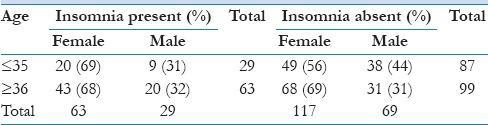
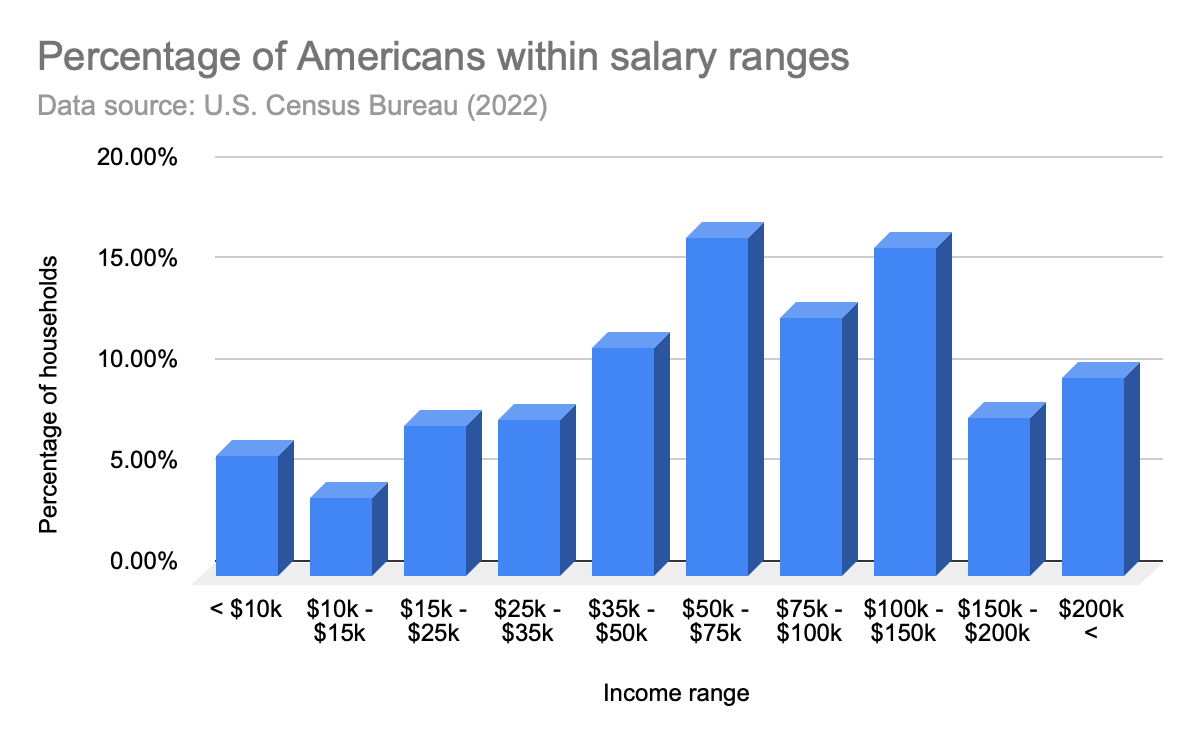
The prevalence of insomnia in our modern society is primarily a result of the productivist work ethic that individuals are subjected to, underscoring the significant role the environment plays as a catalyst for the sleep disorder. A study published in the Journal of Family Medicine and Primary Care supports this claim, which examined the “Prevalence of chronic insomnia in adult patients and its correlation with medical comorbidities” (Bhaskar, Swapna, et al.). Most notably, the study revealed that 45% of workers earning over $51,000 have chronic insomnia, highlighting the significant impact of socioeconomic and environmental factors on sleep quality. This correlation gains further significance when we examine Figure 2, sourced from the U.S. Census Bureau, which illustrates that a majority of the working American population earns $50,000 or more annually, often indicating demanding job expectations. Combining these compelling findings, we establish a strong case linking income level to demanding job expectations and the prevalence of chronic insomnia.
In the context of Chuck Palahniuk’s novel Fight Club, the protagonist’s occupation as a “recall campaign coordinator” (Palahniuk 55) at an unnamed automobile company further exemplifies the adverse effects on sleep of a white-collar job in a productivist society. The narrative portrays the protagonist’s work as monotonous and unfulfilling, conveying a sense of entrapment and unhappiness. The unhealthy work environment depicted in the novel serves as a microcosm of the real world, reflecting the anxiety and stress experienced by many working Americans. These societal norms, which stigmatize idleness and unproductivity, compel individuals like the protagonist to relentlessly pursue expectations, leaving them physically and emotionally drained.
The relentless pressure to perform in a productivist environment fosters heightened stress and anxiety levels, exacerbating sleep disorders such as insomnia. The protagonist’s experiences and struggles mirror those of countless Americans trapped in environments that force them to grapple with the consequences of an unforgiving work culture, leaving them chronically fatigued and unable to find restful sleep. By presenting these interconnected pieces of evidence, we reinforce the notion that the prevalence of insomnia is intricately linked to environmental factors, precisely the demanding nature of modern work environments. This highlights the urgent necessity for reevaluating societal norms and implementing supportive measures to address the detrimental effects of an excessively productivist mindset on individuals’ sleep health and overall well-being.
Air Travel and Jet Lag
The detrimental effects of a productivist work ethic are compounded by the frequent air travel that has become commonplace in modern life, serving as another poignant example of how environmental factors can exacerbate the challenges of insomnia. A study titled “Air Travel: Effects of Sleep Deprivation and Jet Lag” by Weingarten and Collop, published in the medical journal Chest in 2013, delves into the topic, shedding light on how the relentless disruptions to one’s sleep schedule significantly worsen insomnia. In addition, the research addresses the concept of Jet Lag Disorder. This circadian rhythm sleep disorder manifests when crossing multiple time zones, with symptoms including “insomnia or excessive daytime sleepiness” (Weingarten and Collop). These findings illustrate the profound influence of jet lag on sleep quality, emphasizing the consequences of a hectic lifestyle dictated by societal expectations and an environment that places immense emphasis on productivity and responsibility.
In Fight Club, the narrator’s constant traversing of time zones reflects this reality, subjecting him to the disruptive effects of jet lag and throwing his internal biological clock into disarray. Furthermore, he serves as a relatable embodiment of the struggles faced by countless individuals in the real world. Forced to contend with the disorienting routine of constant travel, they bear the weight of perpetually adapting to new surroundings and schedules. The perpetual change in environment disrupts their sleep and contributes to mounting mental stress and anxiety, further impairing their ability to find rest and stability during their slumber.
By weaving together the protagonist’s narrative in Fight Club and the insights gleaned from real-world research, we understand how environmental factors, such as frequent travel and the ensuing jet lag, compound the challenges of insomnia. This holistic perspective underscores the urgent need to address the broader societal and environmental factors that contribute to sleep disorders, ensuring individuals have the opportunity for restful sleep amidst the demands and disruptions of modern life.
Urban Isolation
The productivist work ethic impacts sleep health and contributes to social isolation. The relentless pressure to prioritize productivity and meet societal expectations often leads to a neglect of meaningful interpersonal connections. This isolation catalyzes loneliness, anxiety, and disrupted sleep patterns. The link between the productivist work ethic and social isolation underscores the interconnected nature of environmental factors in perpetuating insomnia. Further, it highlights the need to address work-related demands and cultivate meaningful relationships for healthy sleep.
Further emphasizing the impact of environmental factors on insomnia, urban isolation emerges as a compelling facet of contemporary society that intensifies this sleep disorder and highlights its profound connection to the surrounding context. In the study “Effects of Social Isolation on Sleep During the COVID-19 Pandemic,” published in the medical journal Sleep Science (São Paulo, Brazil), researchers shed light on the intricate interplay between isolation and insomnia. The research reveals a startling correlation, indicating that “a third of individuals who experience social isolation develop insomnia” (Escobar-Córdoba, Franklin, et al.), underscoring the pivotal role of interpersonal connections in nurturing optimal mental well-being and fostering healthy sleep patterns. This statistic is a poignant reminder of the significance of social connection in the prevalence and severity of insomnia, emphasizing the impact of urban isolation on sleep quality.
The protagonist in Fight Club acts as a microcosm reflecting real-world dynamics. Despite living amidst a bustling city surrounded by countless faces, the narrator experiences profound loneliness and detachment from others. Throughout his narrative, he refers to his brief encounters with others as “single-serving friend[s]” (Palahniuk 55), conveying the transient nature of these relationships and the realization that they are unlikely to be sustained. This portrayal highlights the paradoxical nature of city life, wherein individuals can feel both suffocated by the crowds and profoundly isolated. The struggles faced by the protagonist mirror the challenges many individuals encounter in urban environments, shedding light on the impact of urban isolation on mental health and sleep quality.
By linking insights from the scientific study on social isolation and insomnia with the protagonist’s experiences in Fight Club, we understand how urban isolation can detrimentally affect sleep. This combined perspective emphasizes the need to address societal factors contributing to isolation and prioritize cultivating meaningful social connections to maintain healthy sleep patterns.
The Absence of Meaningful Relationships
Expanding upon the influence of environmental factors, the dearth of meaningful connections emerges as yet another significant element that amplifies the effects of insomnia, emphasizing the profound role played by our surroundings on this sleep disorder. Illuminating this dynamic is a noteworthy study titled “Marital Quality and the Marital Bed: Examining the Covariation Between Relationship Quality and Sleep,” where Troxel, Wendy M et al. delves into the intricate relationship between relationship quality and sleep. The researchers underscore the crucial interdependence of the two, highlighting that “relationship quality is importantly implicated with sleep and vice versa” (Troxel, Wendy M et al.). These findings compellingly emphasize the inseparable connection between the quality of our relationships and the quality of our sleep, thus reinforcing the crucial role of meaningful connections in fostering optimal sleep patterns.
Within modern society’s detached and impersonal landscape, the narrator in Fight Club and many others face barriers to forging deep and meaningful connections with others. The resulting emotional void only intensifies their growing anxiety and depression, exacerbating their sleepless nights. The character of Bob serves as a poignant illustration of the narrator’s longing for genuine interpersonal bonds. Although the narrator has limited interactions with Bob, his alter ego Tyler Durden is consistently drawn to him. Eventually, Tyler recruits Bob into Project Mayhem, leading to a tragic outcome as Bob is fatally shot while fleeing the police, sacrificing himself for the cause. Bob becomes a symbolic motif, highlighting the vital importance of human connection in maintaining one’s mental and emotional well-being. Forging authentic and meaningful interpersonal bonds becomes increasingly challenging in an environment that prioritizes productivity, materialism, and superficiality. These factors weigh heavily on the protagonist’s psyche, exacerbating the stress and anxiety that fuel his insomnia. As a result, the protagonist’s experiences in Fight Club reflect the struggles countless individuals face in a world devoid of deep and meaningful relationships, amplifying their challenges with insomnia and overall well-being.
By intertwining the insights from the scientific study on relationship quality and sleep with the protagonist’s narrative in Fight Club, we understand how the absence of meaningful relationships in our environment can significantly impact sleep health. This collective perspective emphasizes the urgent need to prioritize cultivating genuine interpersonal connections and combat the societal factors that hinder their development, as they play a vital role in promoting restful sleep and overall mental well-being.
Conclusion
Insomnia, although appearing simple, has many root causes embedded within the very fabric of society. Even though it is a fictional novel, Fight Club by Chuck Palahniuk explores insomnia and how one’s environment propels it through the protagonist’s experiences. The novel mirrors society, revealing how environmental factors, such as productivism, constant travel, urban isolation, and a lack of meaningful relationships, contribute to mental and physical degradation, catalyzing insomnia. Understanding the multifaceted nature of insomnia and its underlying causes is crucial for improving the quality of life for those affected. By listening to our bodies and recognizing the influence of our environment, we can begin to address the complexities of insomnia and work towards a healthier and more restful existence.
Works Cited
- Bhaskar, Swapna, et al. “Prevalence of Chronic Insomnia in Adult Patients and its Correlation with Medical Comorbidities.” Journal of Family Medicine and Primary Care, vol. 5, no. 4, 2016, pp. 780–784. doi:10.4103/2249-4863.201153.
- Escobar-Córdoba, Franklin, et al. “Effects of Social Isolation on Sleep During the COVID-19 Pandemic.” Sleep Science (São Paulo, Brazil), vol. 14, Spec 1, 2021, pp. 86–93. doi:10.5935/1984-0063.20200097.
- “Insomnia - Symptoms and Causes.” Mayo Clinic, 15 Oct. 2016, www.mayoclinic.org/diseases-conditions/insomnia/symptoms-causes/syc-20355167.
- Kaur, Harleen, et al. “Chronic Insomnia.” StatPearls, StatPearls Publishing, 12 Feb. 2023.
- Palahniuk, Chuck. Fight Club. Owl Books, 1996. Bowker, https://doi.org/10.1604/9780805062977.
- Riemann, Dieter, et al. “Sleep, Insomnia, and Depression.” Neuropsychopharmacology, vol. 45, no. 1, 2020, pp. 74–89. doi:10.1038/s41386-019-0411-y.
- Scotland’s National Health Information Service. Insomnia | NHS Inform. www.nhsinform.scot/illnesses-and-conditions/mental-health/insomnia. Accessed 2 May 2023.
- Sofi, Francesco, et al. “Insomnia and Risk of Cardiovascular Disease: a Meta-Analysis.” European Journal of Preventive Cardiology, vol. 21, no. 1, 2014, pp. 57–64. doi:10.1177/2047487312460020.
- Troxel, Wendy M, et al. “Marital Quality and the Marital Bed: Examining the Covariation Between Relationship Quality and Sleep.” Sleep Medicine Reviews, vol. 11, no. 5, 2007, pp. 389–404. doi:10.1016/j.smrv.2007.05.002.
- “What Is Insomnia?” NHLBI, NIH, 24 Mar. 2022, www.nhlbi.nih.gov/health/insomnia.
- Weingarten, Jeremy A, and Nancy A Collop. “Air Travel: Effects of Sleep Deprivation and Jet Lag.” Chest, vol. 144, no. 4, 2013, pp. 1394–1401. doi:10.1378/chest.12-2963.
- Youngstedt, Shawn D, and Christopher E Kline. “Epidemiology of Exercise and Sleep.” Sleep and Biological Rhythms, vol. 4, no. 3, 2006, pp. 215–221. doi:10.1111/j.1479-8425.2006.00235.x.